

As we step into 2025, wellness has evolved from a luxury to essential infrastructure. Drawing from market data, industry insights, and shifting cultural behaviors across Asia, the U.S., and Europe, here are five transformative trends reshaping how we approach well-being.
1. Emotional AI: Your New Mental Wellness Companion
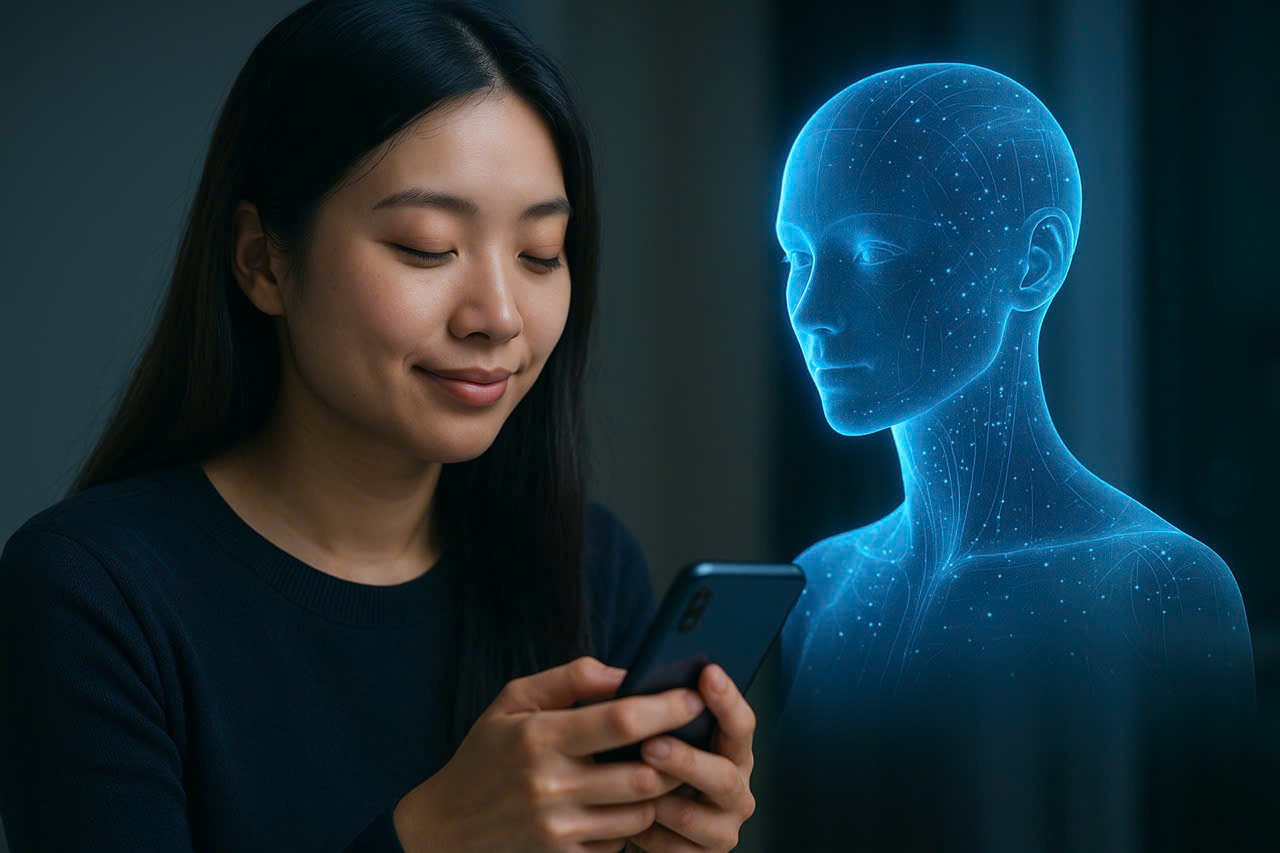
Artificial intelligence is transcending its role as a productivity tool to become a personalized emotional support system. In 2025, advanced emotional-AI models can recognize tone, stress levels, and behavioral patterns, helping users navigate anxiety, decision fatigue, burnout, and loneliness.
Why this matters:
- Emotional fatigue has reached unprecedented levels
- Traditional therapy remains expensive and often inaccessible
- Younger generations embrace digital companionship without stigma
Emotional AI doesn’t replace human connection — it bridges the gaps between therapy sessions, coaching, and daily stress management.
2. Home Wellness Devices Enter the Mainstream
The shift from “spa visits” to “spa living” is accelerating. Consumers across Southeast Asia and North America are investing in oxygen spas, LED therapy systems, air detox pods, lymphatic drainage tools, and mineral-bath systems — all experiencing double-digit growth annually.
Key drivers:
- Demand for convenience without scheduling constraints
- Rising interest in biohacking and longevity
- Declining costs making technology more accessible
By year’s end, home wellness devices will be as commonplace as air purifiers and fitness equipment.

3. Wellness + Community: The Hybrid Model Revolution
Modern consumers seek more than passive wellness consumption — they want to practice wellness together. Community-based models like group breathing circles, mindful living clubs, women-support networks, and micro-coaching cohorts are expanding rapidly.
What’s fueling this trend:
- Increasing digital isolation
- Declining traditional social connections
- The fundamental human need for belonging
Brands combining science-backed wellness with genuine community bonding will lead the market in 2025.
4. Integrative Health Becomes Standard Practice
The old symptom-treatment model is giving way to holistic, integrated, personalized wellness approaches. 2025 will see accelerated adoption of:
- Gut-brain axis therapies
- Longevity markers (sleep quality, HRV, metabolic age)
- Nutrition and genetics personalization
- Preventive medicine and detox protocols
Today’s consumers want both data and feeling — they need to track their metrics while experiencing tangible improvements in daily life.

5. From Self-Improvement to Self-Recovery
If the 2010s worshipped productivity, the 2020s worship recovery. In 2025, people are choosing to rebuild rather than push harder through:
- Slow living practices
- Nervous system repair
- Trauma-informed coaching
- Digital detox rituals
- Emotional decluttering
- Reducing overstimulation
Wellness in 2025 becomes healing culture — a return to simplicity, nature, meaningful rituals, and emotional grounding instead of endless “upgrade culture.”
The Bottom Line
Wellness in 2025 is human-centered and tech-supported. Across all five trends, one pattern emerges clearly: people want well-being that is scientific, accessible, emotionally safe, and deeply human.
2025 marks the era where wellness transitions from optional lifestyle choice to foundational infrastructure for how we live, connect, and thrive.

